


What Skipping Oil Changes Does to Your Engine
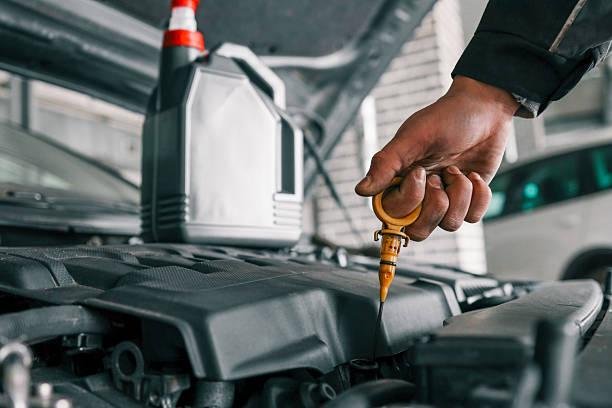
A lot of drivers figure a few extra weeks on an overdue oil change won't hurt anything. Maybe you've been there. Life gets busy, the sticker on the windshield fades, and suddenly you're 3,000 miles past due and the car still seems fine. The thing is, "seems fine" and "is fine" are two very different things under the hood. Engine damage from skipped oil changes doesn't announce itself right away. It builds up quietly, and by the time you notice something wrong, the repair bill can be genuinely ugly. If you're in the area and already overdue, looking into Auto Oil Change Services in Iowa City IA sooner rather than later is a smart move. This article breaks down exactly what's happening inside your engine when you push that interval too far.
How Engine Oil Actually Works (And Why It Breaks Down)
Fresh oil does a few jobs at once. It coats metal surfaces so they don't grind against each other, carries heat away from parts that run incredibly hot, and suspends tiny bits of dirt and debris so they get filtered out instead of scratching things up. Pretty elegant system, honestly. But oil isn't magic. Over time and miles, the base fluid breaks down from heat cycling, the additives that keep it stable get used up, and the oil gets saturated with contaminants it can no longer fully suspend. What starts as a clean amber fluid turns dark, thick, and acidic.
Once that happens, the oil stops doing its job properly. It can't flow as freely through narrow passages, it doesn't coat surfaces as well, and it actually starts to corrode some of the parts it's supposed to protect. Most people picture old oil as just "dirty." It's actually chemically different from fresh oil in ways that matter a lot to your engine.
The Sludge Problem Nobody Talks About Enough
Sludge is where things get expensive. When degraded oil sits in a hot engine long enough, it oxidizes and turns into a thick, tar-like substance that sticks to engine surfaces. Sludge blocks oil passages. That means parts that should be getting lubricated start running dry or near-dry, which causes metal-on-metal contact at temperatures and speeds that destroy surfaces fast.
Sludge is also hard to fix after the fact. You can't just drain it out with the next oil change. Sometimes it requires a full engine flush, and in bad cases the deposits are baked on so thoroughly that parts need to be replaced. I've seen cars come in where the previous owner clearly skipped multiple changes, and the inside of the valve cover looked like the bottom of a deep fryer. Not an exaggeration.
The chemistry behind motor oil degradation explains why this happens even in engines that sound okay from the outside. Heat, pressure, and combustion byproducts all accelerate the breakdown process, especially in stop-and-go driving.
Which Engine Parts Take the Worst Beating
Not every part suffers equally. Some components are more exposed to oil starvation than others, and those tend to fail first.
-
Camshafts and lifters. These sit at the top of the engine and depend heavily on oil being pumped up to them. They're often the first to show wear when oil is old or low.
-
Rod and main bearings. These are thin metal shells that let the crankshaft spin freely. When lubrication fails, they wear down fast and can spin out entirely, which usually means a destroyed engine block.
-
Piston rings. Old, dirty oil leaves deposits on the rings, which affects how well they seal. Poor ring seal means lost compression and oil burning into the combustion chamber.
-
The timing chain or belt components. These need proper lubrication to stay on schedule (literally). Sludge buildup around the tensioner or guides can cause timing issues that lead to bent valves or worse.
Any one of these failures on its own is a significant repair. All of them together? You're probably looking at an engine replacement.
Warning Signs Your Engine Is Already Struggling
Engines usually give you signals before they quit. The problem is a lot of people don't know what to listen for, or they ignore it hoping it goes away. It won't.
A knocking or ticking sound from the engine is a big one. That noise is often metal hitting metal because there's not enough oil film between surfaces. Low and dirty oil also causes the oil pressure warning light to come on, and that light should never be ignored. Some drivers also notice the engine running rougher, losing a bit of power, or idling unevenly. Those can all point to oil-related issues.
If your oil change is overdue and you're smelling something burning from under the hood, that's degraded oil contacting hot surfaces. Get it changed. If the check engine light is on alongside any of these symptoms, get the car looked at the same day, not next week.
Conventional vs. Synthetic: The Interval Question
One thing that trips people up is not knowing which type of oil is in their car and what interval that oil actually supports. Conventional oil typically holds up for somewhere around 3,000 to 5,000 miles depending on driving conditions. Synthetic oil is engineered to last longer, often 7,500 to 10,000 miles or more, and it handles temperature extremes much better.
But here's what matters: the interval is only as good as the oil in the engine. If you've got conventional oil and you're pushing 8,000 miles, you're running on degraded fluid regardless of what the synthetic interval is. Always check your owner's manual for the manufacturer's recommendation, and make sure you know what's actually in your engine. If you're not sure, any good shop can tell you. Harris Boyz Auto Repair Shop is one place around Iowa City where you can get a straight answer on this without feeling like you're being upsold on things you don't need.
Oil Change Services in Iowa City IA are available for both conventional and synthetic oil setups, so there's really no excuse to keep putting it off regardless of what your engine takes.
How Much Damage Can One Skipped Change Actually Cause?
Honestly, one missed change probably won't destroy your engine if you're running synthetic and you're not too far over the interval. But the risk goes up fast with each additional mile on old oil, and it goes up even faster if you're also running a bit low on oil level at the same time. Heat and friction multiply the damage. Short trips, towing, and summer heat all make it worse too.
The math is pretty simple. An oil change costs somewhere between $50 and $120 depending on oil type and location. A camshaft replacement can run $1,500 to $3,000. A spun bearing or seized engine? You could be looking at $4,000 to $8,000 or more. Skipping a $70 service to risk a $6,000 repair doesn't make any sense, and yet it happens constantly.
Auto Oil Change Services in Iowa City IA are genuinely one of the cheapest forms of engine insurance you can buy. Staying on schedule isn't just good practice, it's the difference between a car that lasts 200,000 miles and one that needs a new engine at 90,000.
Frequently Asked Questions
How long can I really go past my oil change due date?
It depends on your oil type and driving conditions, but most mechanics would say don't go more than 500 to 1,000 miles over your interval as a general buffer. Beyond that, you're putting real stress on the engine, especially if you do a lot of city driving or short trips where the oil doesn't get up to full operating temperature.
Will a fresh oil change fix damage that's already been done?
Not really. Fresh oil will stop further damage from happening, but wear that's already occurred doesn't reverse itself. Sludge deposits may need a professional flush to fully clear out, and metal surfaces that have been scored or worn down don't heal. The sooner you change it, the less damage accumulates.
Can low oil level cause the same problems as old oil?
Yes, and sometimes faster. If you're a quart or more low, there's simply not enough oil circulating to keep everything coated. Old oil that's also low is a double problem. Check your dipstick every month or so, it takes about 30 seconds and can save you a lot of grief.
Does the type of driving I do affect how often I need an oil change?
Absolutely. Lots of short trips, stop-and-go traffic, towing, or driving in extreme heat all count as "severe" driving conditions according to most manufacturer guidelines. If that sounds like your daily routine, you should probably be changing your oil closer to the shorter end of whatever interval your car calls for.
Is synthetic oil always better than conventional?
For most modern engines, yes. Synthetic oil holds up longer, flows better in cold weather, and handles high heat more reliably. It costs more per change, but because the interval is longer, the cost difference over a year isn't as big as it looks. Check your owner's manual first, though, because some older engines are better suited to conventional oil.
Oil Change Services in Iowa City IA aren't hard to find, and the service itself doesn't take long. The cost of skipping it, on the other hand, can follow you for years.

 English
 Arabic
 French
 Spanish
 Portuguese
 German
 Turkish
 Dutch
Dutch
 Italian
 Russian
 Romanian
 Greek
Greek